
The Hicks Legal Journal
Case notes from an Oklahoma trial lawyer.
The Journal explains what matters early in major injury, wrongful-death, trucking, insurance, and civil-rights cases: the records to preserve, the questions to ask, and the proof a jury may need to see.
Documented recoveries
Landmark civil-rights jury verdict
Time-sensitive evidence review
Find the right starting point
Read by the problem in front of you.
Pick the area closest to what happened. Each section is written to help you spot the records, deadlines, and proof issues that should be addressed early.
High-value negligence cases
Truck wrecks, fatal crashes, motorcycle wrecks, catastrophic injuries, and premises cases need early proof and attorney review.
Start with the right reviewTruck and fleet crashes
Commercial crash cases often turn on driver files, electronic data, maintenance records, dispatch history, and company safety rules.
Read trucking articlesFatal crashes and wrongful death
Fatal crash cases require careful proof of what happened, what was lost, who may file, and which records should be preserved.
Read wrongful-death articlesCatastrophic car and motorcycle wrecks
When the injury is permanent or the rider cannot tell the story, physical evidence and medical proof need to be organized quickly.
Read injury articlesWhen legal research should lead to attorney review
A high-value case is not just a big number. It often involves life-changing harm, disputed responsibility, meaningful damages, and records that need careful review. Articles can help you understand the legal issue, but a high-value case still needs direct attorney review.
Major harm
Major injury or death
Death, permanent injury, surgery, disability, brain injury, paralysis, or long-term medical loss.
Accountable party
Company, insurer, business, or agency
A trucking company, commercial fleet, insurer, property owner, jail, police agency, government entity, or business defendant.
Meaningful damages
Losses that change the future
Medical cost, lost earning capacity, family loss, future care, civil-rights harm, or denied insurance benefits.
Proof pressure
Facts the defense will fight
A dispute over what happened, what records show, who knew what, or why a company or agency should be accountable.
Start here
Articles on evidence, accountability, and damages.
These articles explain how evidence, institutional decisions, and damages proof can affect a case long before a lawsuit reaches a courtroom.

The Answer That Never Came
Thomas & Goza v. Liberty Mutual explains when unanswered requests for admission may be withdrawn, why the litigation record matters, and why reversal did not decide insurance coverage.

The Policy Layer Behind the Loss
A 2026 Oklahoma Supreme Court decision explains how policy language determines the order in which primary and excess liability insurance responds, and why a prevailing insurer could not recover statutory prejudgment interest in this dispute between carriers.

The Discovery Request Must Fit the Injury Case
A 2026 Oklahoma Supreme Court decision explains why requests for prior incidents must be tied to the actual claims and defenses, proportionate to the case, and specific enough to separate useful evidence from a broad subject-matter search.

The Immunity Question Inside an Oklahoma Medical Negligence Case
The Oklahoma Supreme Court's Burgess decision separates state emergency-era immunity from federal PREP Act protection and shows why medical negligence cases can turn on the source, scope, and causation language of an immunity statute.

The Record Behind the Wall
A new Oklahoma accountability initiative for deaths in jail shows why these cases depend on preserved medical records, video, staffing evidence, timelines, and disciplined constitutional proof.

Motorcycle Wrecks Are Evidence Cases Before They Become Blame Cases
Why serious Oklahoma motorcycle wrecks require fast preservation of scene evidence, video, motorcycle and gear, roadway proof, medical causation, and a disciplined response to rider-blame defenses.

The Missing Vehicle Is the Case
A recent fatal hit-and-run on I-35 in McClain County shows why Oklahoma hit-and-run and highway death cases often turn on the evidence that is not waiting at the scene.

Semi-Truck Wrecks Are Evidence Cases Before They Are Injury Cases
Why serious semi-truck wrecks require immediate preservation of electronic data, driver files, maintenance records, dispatch communications, and carrier safety evidence.

What It Takes to Win a Jail Death Verdict in Oklahoma
A $2 million Oklahoma County jail death verdict shows what serious civil-rights cases require: records, depositions, medical proof, jail-policy work, and trial command.

Allen Gamble Prison Homicides and the Duty to Protect People in Custody
What families should know about reported homicides at Allen Gamble Correctional Center, records that may matter, and civil-rights claims when officials ignore known danger.
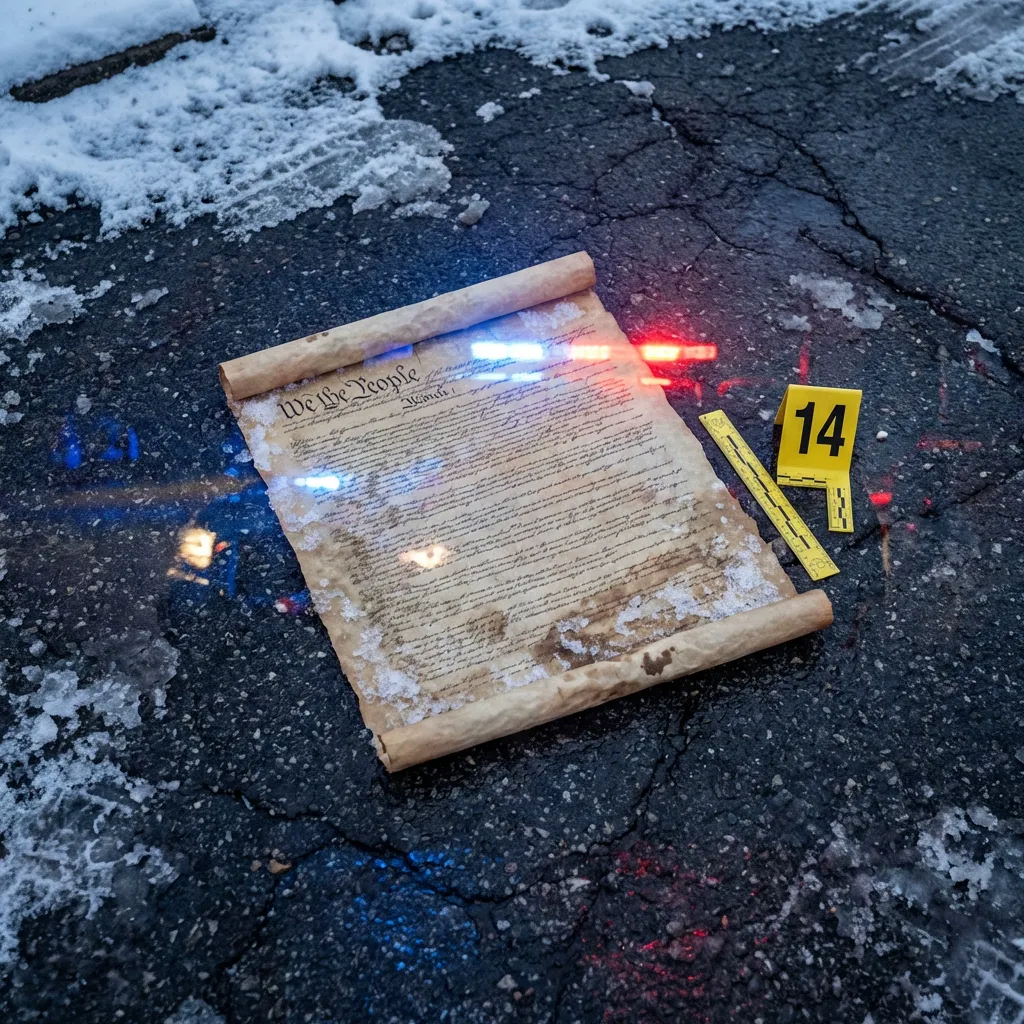
Federal Officer Shootings and the Limits of Civil-Rights Remedies
How federal-agent cases can raise difficult questions about accountability, immunity, records, and the remedies available to families.

Why Civil Accountability Matters When Officers Take a Life
When a police officer kills a civilian, the criminal justice system addresses only part of the equation. This article examines why civil litigation under 42 U.S.C. § 1983 is essential to holding institutions accountable, through the lens of Browder v. City of Albuquerque and the case of Emily Gaines.

When the Insurer's Engineer Enters the Claim
A 2026 Oklahoma Supreme Court decision holds that an insurer-retained engineering company acted as the insurer's representative during a claim inspection, barring tortious-interference and civil-conspiracy claims against it on the pleaded facts. The opinion also preserves the insurer's non-delegable duties and a dissent's warning about intentional conduct.

One Event, Two Different Injuries
In Richards v. Foremost Insurance Co., the Oklahoma Supreme Court held that physical damage to a mobile home and losses tied to the absence of expected insurance protection were not the same injury for contribution under 12 O.S. § 832. The Court left the broader several-liability question undecided.

The Expert Must Match the Medical Question
Bean v. St. Francis Hospital explains why an Oklahoma medical-negligence case must match qualified expert testimony to each physician, nursing, technical, and causation question the plaintiff must prove.
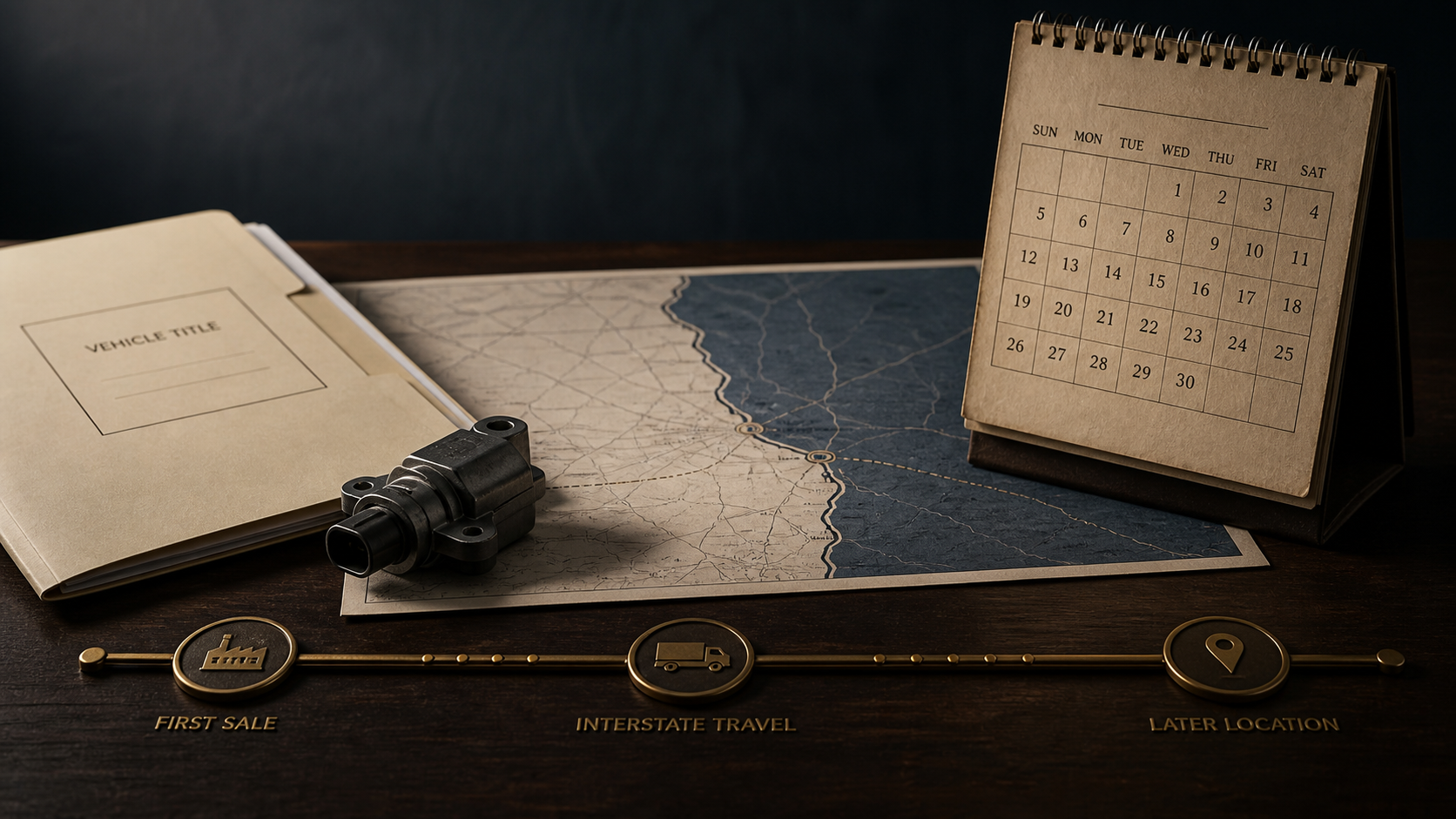
The Crash State May Not Supply the Deadline
Betts v. Toyota explains why an Oklahoma crash did not make Oklahoma law control a products-liability statute-of-repose issue involving a Texas-owned, Texas-garaged vehicle.

The First Forum Can Decide the Case
Cactus Drilling v. Kirkland explains why pursuing an Oklahoma workers’ compensation claim and receiving benefits barred a later district-court action against the employer for the same work injury.

The 61 Days That Did Not Run
Williams v. McFeeters holds that the sixty-one days covered by Oklahoma’s 2020 COVID emergency orders cannot be counted against the applicable negligence limitations period.

The Warning Federal Law Would Not Let Change
A 2026 Oklahoma Court of Civil Appeals decision shows why a prescription-drug warning claim may turn on dated proof of a causal association, the federal label-change process, and whether a different warning would have altered a physician’s treatment decision.
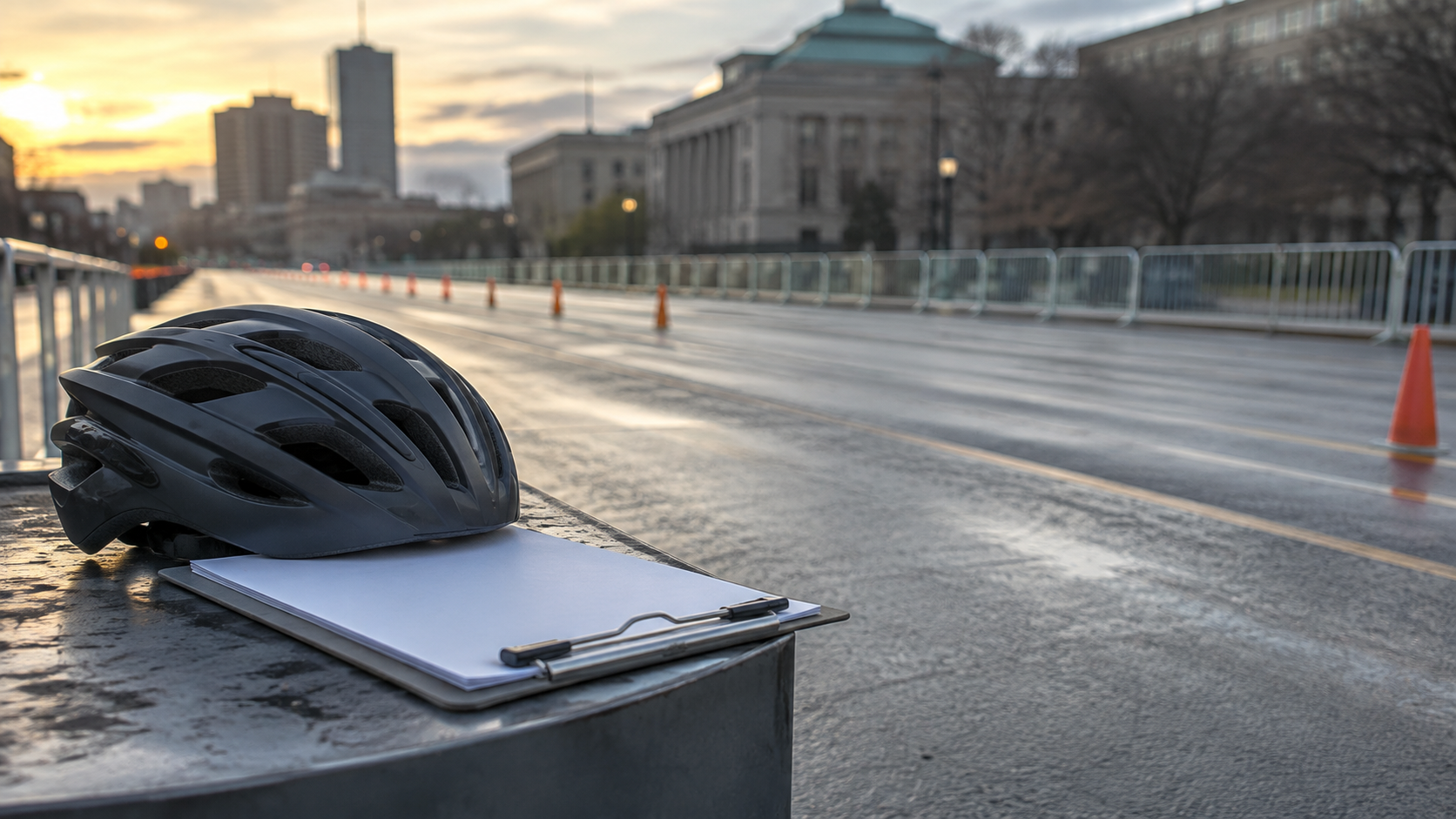
The Waiver Did Not End the Question
Mayo v. Tulsa Tough shows how an Oklahoma court examines a signed race waiver, a known course hazard, and the narrow line between ordinary negligence and conduct a contract cannot excuse.

One Claim Is Not a Statewide Case
State Farm v. Palumbo explains why an Oklahoma homeowners’ insurance dispute could not be transformed through intervention into a statewide enforcement case, while leaving the underlying hail-loss and bad-faith allegations undecided.

The Reports the Public Could Not Read
NonDoc Media v. University of Oklahoma explains why two reports from completed law-firm investigations remained protected by attorney-client privilege, and why the divided decision still demands careful attention to timing, waiver, segregability, and the limits of public-record access.
Recent writing
Current journal articles.
Use these articles to understand the legal issues around your facts, then ask for a review if records or deadlines may matter.
The Answer That Never Came
Thomas & Goza v. Liberty Mutual explains when unanswered requests for admission may be withdrawn, why the litigation record matters, and why reversal did not decide insurance coverage.
The Reports the Public Could Not Read
NonDoc Media v. University of Oklahoma explains why two reports from completed law-firm investigations remained protected by attorney-client privilege, and why the divided decision still demands careful attention to timing, waiver, segregability, and the limits of public-record access.
One Claim Is Not a Statewide Case
State Farm v. Palumbo explains why an Oklahoma homeowners’ insurance dispute could not be transformed through intervention into a statewide enforcement case, while leaving the underlying hail-loss and bad-faith allegations undecided.
The Waiver Did Not End the Question
Mayo v. Tulsa Tough shows how an Oklahoma court examines a signed race waiver, a known course hazard, and the narrow line between ordinary negligence and conduct a contract cannot excuse.
The Warning Federal Law Would Not Let Change
A 2026 Oklahoma Court of Civil Appeals decision shows why a prescription-drug warning claim may turn on dated proof of a causal association, the federal label-change process, and whether a different warning would have altered a physician’s treatment decision.
The 61 Days That Did Not Run
Williams v. McFeeters holds that the sixty-one days covered by Oklahoma’s 2020 COVID emergency orders cannot be counted against the applicable negligence limitations period.
The First Forum Can Decide the Case
Cactus Drilling v. Kirkland explains why pursuing an Oklahoma workers’ compensation claim and receiving benefits barred a later district-court action against the employer for the same work injury.
The Crash State May Not Supply the Deadline
Betts v. Toyota explains why an Oklahoma crash did not make Oklahoma law control a products-liability statute-of-repose issue involving a Texas-owned, Texas-garaged vehicle.
More journal articles
Additional articles remain available for readers who want background on recurring proof and liability issues.
- The Expert Must Match the Medical Question
- One Event, Two Different Injuries
- When the Insurer's Engineer Enters the Claim
- The Policy Layer Behind the Loss
- The Discovery Request Must Fit the Injury Case
- The Immunity Question Inside an Oklahoma Medical Negligence Case
- The Record Behind the Wall
- Motorcycle Wrecks Are Evidence Cases Before They Become Blame Cases
- The Missing Vehicle Is the Case
- Semi-Truck Wrecks Are Evidence Cases Before They Are Injury Cases
- What It Takes to Win a Jail Death Verdict in Oklahoma
- Allen Gamble Prison Homicides and the Duty to Protect People in Custody
- Why Civil Accountability Matters When Officers Take a Life
- Federal Officer Shootings and the Limits of Civil-Rights Remedies
- Oilfield Injury Cases When Corporate Structure Hides Responsibility
- Civil Claims After a Federal Agent Uses Deadly Force
- Truck Black Box Data After a Serious Commercial Crash
- The 1-Year Tort Claim Deadline in Oklahoma Explained
- Reviewing Early Settlement Offers
- Government Liability for Dangerous Road Conditions in Oklahoma
- Hours-of-Service Evidence in Commercial Trucking Cases
- Jail Medical Neglect and Private Healthcare Contractors
- Insurance Delay, Denial, and Low Offers After a Serious Injury
- Taser Use, Excessive Force, and Qualified Immunity
Ask for review
If the facts are serious, send them directly to the firm.
A short summary is enough to start. Include what happened, where it happened, who was involved, and whether video, records, vehicles, devices, or witnesses may be at risk.
What helps us evaluate the inquiry
- What happened, and when?
- Who may be responsible?
- What records, video, devices, or witnesses may exist?
- What injuries, death, treatment, or long-term losses are involved?
Published documented recoveries. Past results do not guarantee any future outcome.
Request a Confidential Review
Use this form for serious injury, wrongful-death, trucking, insurance, jail, or civil-rights matters.
Start with the facts
A clear summary of what happened, who was involved, and what evidence may exist is enough to begin.
Confidential review
The firm reviews your information and responds if the matter appears to fit.
Evidence and timing
Dates, locations, records, photos, video, and witness names help us understand what may need to be preserved.
How to reach you
Tell us how to reach you and when you are available for follow-up.
Journal updates
Receive new legal articles.
Occasional updates on Oklahoma injury, civil-rights, trucking, insurance, and evidence-preservation issues.