I. Introduction: The Shell Game of Energy Extraction
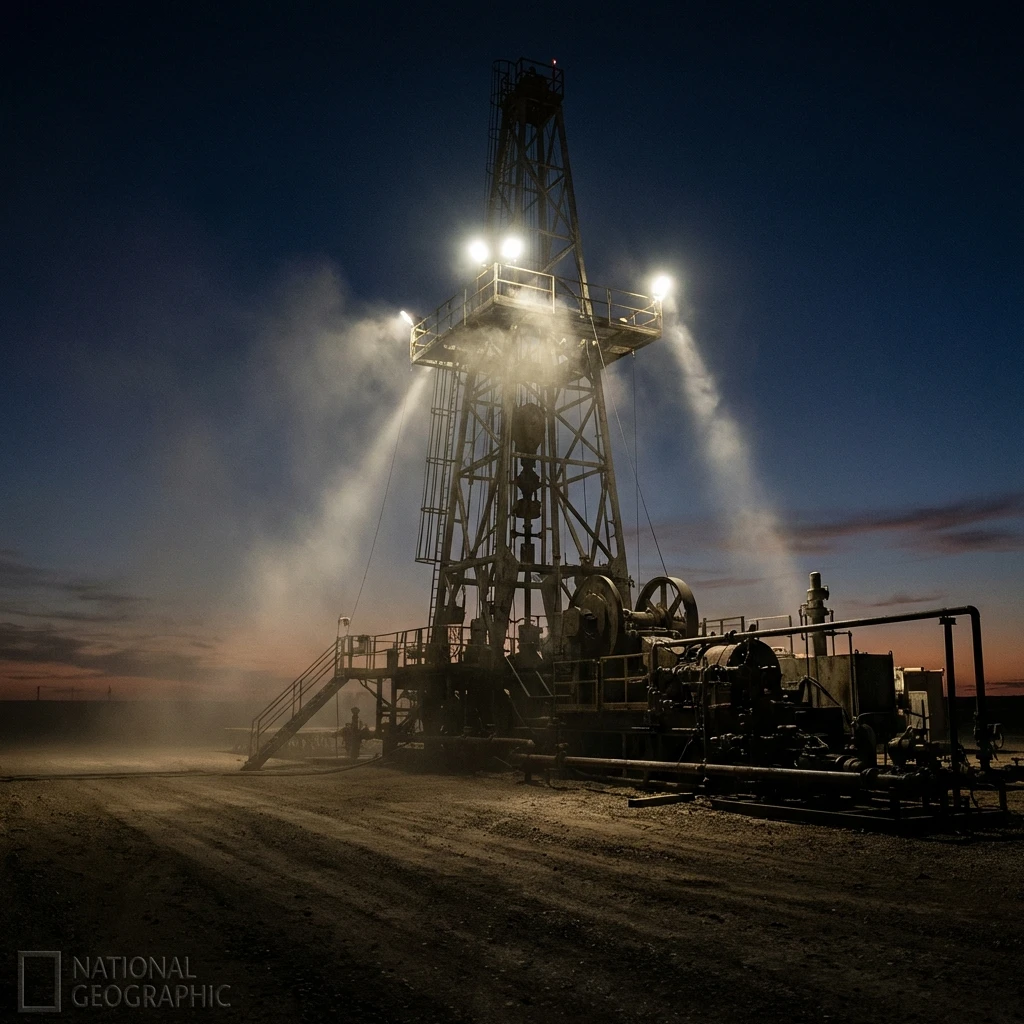
When a blowout preventer fails or a derrick collapses, the immediate physical cause is often obvious: metal fatigue, human error, or negligent maintenance. However, the legal cause—the entity ultimately responsible for the safety of the worksite—is frequently obscured by a labyrinth of corporate structuring. It is standard practice in the modern oil and gas industry to sever the asset (the mineral lease) from the risk (the drilling operation). The actual drilling is performed by a subsidiary, the equipment is leased from a holding company, and the personnel are contracted through a staffing agency.
The result can be a defendant with limited assets or insurance, while practical control and financial benefit sit elsewhere in the corporate structure. For the catastrophic injury victim, collectability and corporate relationships can become central issues. This process, known as "Piercing the Corporate Veil," requires careful factual development rather than assumptions about the corporate form.
II. The Doctrinal Standard: The "Alter Ego" Theory
Under Oklahoma law, a corporation is generally treated as a separate legal entity, distinct from its shareholders. However, equity will disregard this fiction when it is used to defeat public convenience, justify wrong, protect fraud, or defend crime. The controlling authority, Fanning v. Brown, 2004 OK 7, 85 P.3d 841, establishes that a court may disregard the corporate entity if it finds that the corporation is arguably the "alter ego" of its owners.
This is a fact-intensive inquiry. The Fanning court, citing federal precedents, outlined a non-exhaustive list of factors that indicate an alter ego relationship. These include whether the dominant corporation owns or subscribes to all the stock of the subservient corporation, whether the corporations have common directors or officers, whether the subservient corporation is grossly undercapitalized, and whether the formal legal requirements of the subservient corporation are observed. In the context of an oil field fatality, the "undercapitalization" factor is paramount.
III. Forensic Financial Analysis: Proving the Sham
To survive Summary Judgment on a veil-piercing claim, one cannot simply allege common ownership. One must prove "domination and control" to the extent that the subsidiary has no separate mind, will, or existence of its own. This requires a forensic audit of the internal financial plumbing of the enterprise.
We routinely observe a pattern where the operating subsidiary—the entity whose name is on the drilling permit—has zero cash flow. Its "revenue" is simply a wire transfer from the parent company, timed exactly to cover payroll and lease payments. This is the definition of a sham. If a corporation cannot pay its debts as they come due without a discretionary infusion of cash from its owner, it is not a separate entity; it is a department of the parent. We actively seek evidence of "commingling of funds," where the parent company sweeps the subsidiary's accounts nightly, or where the two entities share the same insurance policy, the same general counsel, and the same headquarters.
IV. Litigation Strategy: The Master Service Agreement
A critical piece of evidence is the Master Service Agreement (MSA). In a fractured corporate chart, the MSA defines the relationship between the "Operator" and the "Contractor." These documents are often drafted to shift all liability to the smaller entity via indemnity clauses. However, these contractual shifts of liability are often void against public policy if the "Contractor" is effectively controlled by the "Operator."
When we depose the "safety director" of the subsidiary, we frequently find they have no authority to shut down a job site without approval from the parent company. If the subsidiary lacks the autonomy to make safety decisions, it cannot logically be the sole bearer of safety liability. By exposing this lack of operational independence, we dismantle the defense that the parent company was merely an "investor." In truth, they were the puppeteer, and under the law of agency and alter ego, the puppeteer acts through the puppet.
V. Conclusion
The corporate veil is designed to protect distinct businesses, not to insulate a single enterprise from the consequences of its own negligence. When an oil major directs the speed and method of drilling but hides behind an undercapitalized LLC when a worker is killed, they are abusing the corporate privilege. The goal of high-stakes civil litigation is to align liability with control. If the parent company controlled the risk, they must pay the price.
We Litigate the Chart.
Don't let them hide behind a shell company. If you've been injured in the oil patch, you need a firm that understands corporate forensic accounting.