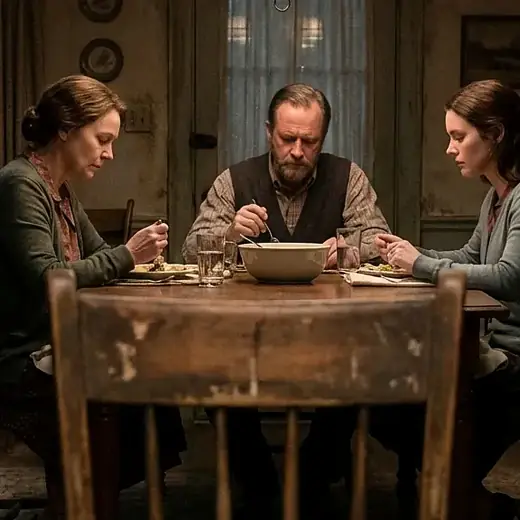
No amount of money can replace a father, mother, child, spouse, or loved one. A wrongful death review should organize filing authority, preservation, and damages proof before an insurer or defendant frames the case around an incomplete record.
Why this claim needs focused review
These cases often turn on proof control, defense pressure points, and documented outcomes.
Primary exposure
12 O.S. § 1053 Claims
When negligence causes a death, the family needs careful review of filing authority, preservation, insurance pressure, and damages proof before the case is reduced to a claim number.
Immediate proof
who may bring the claim and whether probate or representative appointment must be addressed.
vehicles, video, medical records, company files, insurance communications, autopsy materials, and witness proof.
Documented anchor
$5,000,000
Daycare Infant Death & Cover-Up
When wrongful death needs attorney review
A high-value case is not just a big number. It often involves life-changing harm, disputed responsibility, meaningful damages, and records that need careful review. This practice area is strongest when the harm, disputed responsibility, damages, and available records support direct attorney review.
Send the key facts for attorney review.
If this involves death, catastrophic injury, a commercial vehicle, force, custody harm, or evidence that may need preservation, jump to the case-review form or call the firm.
01
Direct answer for Oklahoma families
Oklahoma wrongful death claims generally require prompt review of the filing deadline, the proper claimant or representative, and the records that prove what happened. For many families, the first legal step is not a demand letter. It is getting filing authority, evidence preservation, and damages categories organized correctly.
02
What a wrongful death claim is meant to do
No civil case can replace the person who died. A wrongful death claim can provide a structured way to investigate what happened, preserve evidence, identify every responsible person or entity, and present the family's legally recognized losses. The early work is evidence preservation, valuation discipline, and fast attorney review when records are at risk.
Hicks Law Firm reviews fatal cases involving truck wrecks, car and motorcycle crashes, jail and custody deaths, daycare negligence, police conduct, industrial incidents, premises failures, and other preventable deaths.
03
Damages proof should be built before value is discussed
Wrongful death valuation is not just a number placed on grief. The review should identify the legally recoverable categories, the people connected to each category, and the records or witnesses needed to prove them.
- Economic support: wages, benefits, household contribution, services, and dependency proof.
- Family loss: relationship evidence, companionship, guidance, and the human impact of the death.
- Medical and end-of-life timeline: records showing what happened before death, including conscious pain evidence when supported by the facts.
- Funeral and estate-related issues: expenses, estate authority, and claim structure that may affect how recovery is presented.
- Aggravating conduct: punitive-damages questions require case-specific evidence and legal review before they are alleged.
04
Filing authority and probate questions
Oklahoma wrongful death filing authority can depend on whether a personal representative has been appointed, the family structure, and the statutory path available under the facts. That issue should be reviewed early so the case is not delayed by avoidable standing or probate disputes.
For a deeper explanation, see the wrongful death eligibility guide and the wrongful death process guide.
05
Fatal truck wrecks, catastrophic injury, and custody death paths
Some fatal cases need a specialized evidence plan from the first day. A fatal semi-truck wreck is both a wrongful-death matter and a commercial-carrier evidence case. A jail death may involve federal civil-rights proof. A severe injury case may become a wrongful death case if the medical timeline changes.
- Fatal truck wrecks: carrier records, ECM and ELD data, maintenance files, dispatch records, driver qualification, and wrongful-death damages.
- Catastrophic injury: future-care, medical prognosis, work loss, and permanent-impairment proof.
- Civil-rights wrongful death: jail, police, custody, and government-contractor proof under a separate legal framework.
- High-value negligence: major injury or death cases involving company defendants, disputed proof, or evidence at risk.
06
Evidence that may need preservation
Preservation Review
In many fatal cases, key records and physical evidence can change quickly. The review should identify who controls the evidence and what preservation notices may be needed.
- Vehicles, tow-yard records, crash-scene photos, roadway video, and event data.
- Medical records, autopsy materials when available, 911 audio, and incident reports.
- Company, jail, daycare, property, maintenance, safety, staffing, and insurance records.
- Employment records, household support proof, funeral records, and family-loss evidence.
07
When to request attorney review
A confidential review is most useful when the death may have been caused by negligence, unsafe conduct, custody failures, or a company or insurer that controls important records.
Fatal loss
A family member died after a crash, custody event, unsafe property condition, workplace incident, or other preventable event.
Possible responsibility
Another driver, company, public entity, property owner, caregiver, jail, or insurer may be connected to the loss.
Records at risk
Video, vehicles, medical records, staffing files, company records, or insurance communications may need preservation.
How We Evaluate Wrongful Death Cases
We start with records, preservation needs, case value, and the proof required for the specific claim.
- We start with filing authority, preservation targets, and family-loss proof so the case is not built around an incomplete insurance file.
- Documented wrongful-death work includes a $5,000,000 infant-death settlement after litigation over a coverage denial and Oklahoma bad-faith issues.
- When cause of death, timing, or medical sequence is disputed, we evaluate whether independent medical, pathology, or reconstruction review is needed.
- We develop economic support, household contribution, relationship loss, and estate-related proof before any release is evaluated.
- Wrongful-death cases can arise from truck wrecks, jail and custody deaths, daycare negligence, police conduct, industrial incidents, and other preventable deaths.
What the Other Side Will Argue — And How We Counter It
"The death was caused by a pre-existing medical condition, not negligence."
We compare the medical timeline, incident records, witness proof, and expert review where needed. The question is whether the evidence links defendant conduct to the fatal outcome.
"The policy excludes coverage for this type of incident."
We review the policy language, claims file, denial letter, and facts supporting coverage. In a documented infant-death matter, coverage litigation helped resolve the case above the original policy limits.
"Important records are no longer available."
We identify who controlled the records, when notice was sent or should have been sent, and what alternative proof exists. If evidence was destroyed after preservation duties arose, we evaluate available remedies.
Evidence and Next Steps
Use these resources to move from general information to the records, proof, and case-review steps that fit the matter.
Request Case Review
Request a review if records, deadlines, or insurance contact may affect this wrongful death matter.
Review Request Case ReviewWrongful Death Results
Compare documented outcomes that show how similar proof translated into value.
Review Wrongful Death ResultsHicks Legal Journal
Use supporting litigation analysis to understand the next evidence and timing issues.
Review Hicks Legal JournalAttorney Profile
Review trial counsel background and the firm posture behind this practice area.
Review Attorney ProfileTrust Center
Check the firm standards, review process, and proof posture before deciding.
Review Trust Center