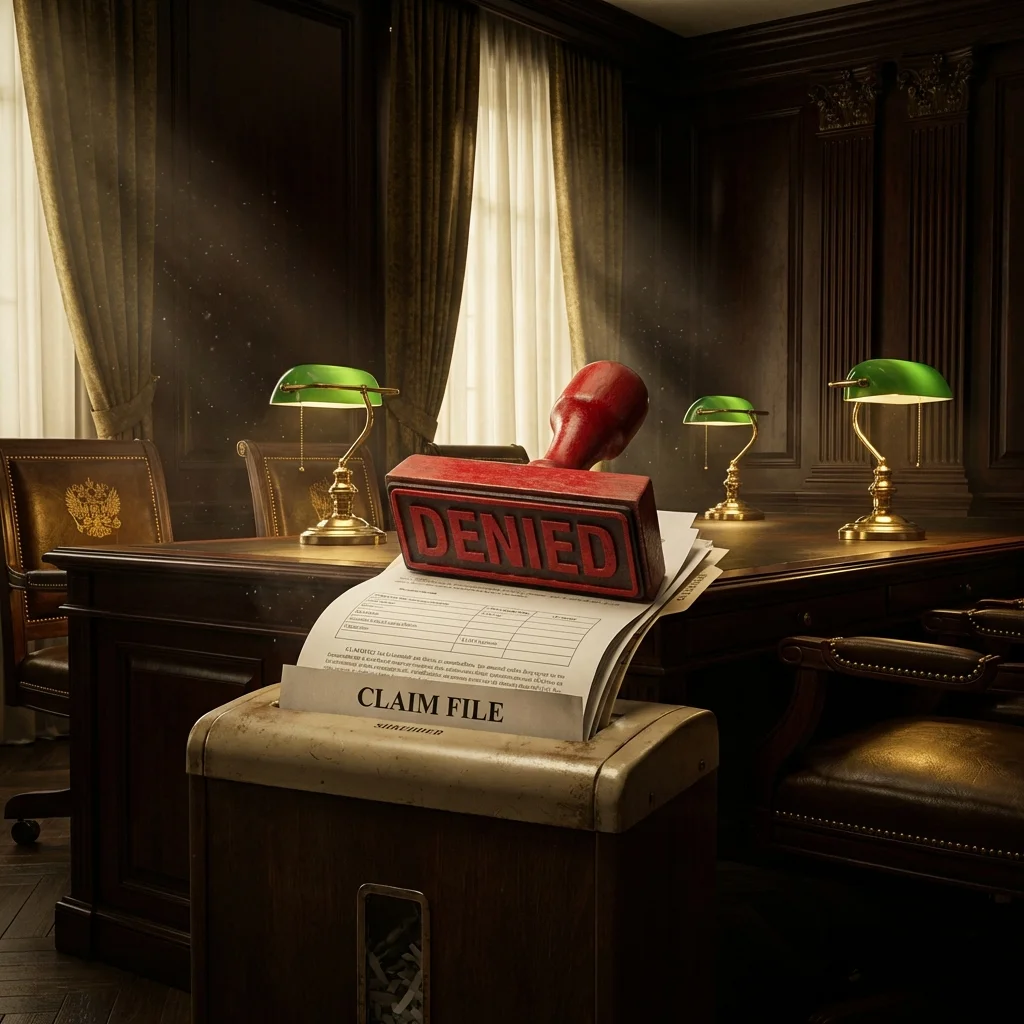
I. Introduction: The Asymmetry of the Insurance Contract
After a serious injury or loss, the person making the claim often needs answers quickly. The insurer controls the claim file, the investigation process, the payment timeline, and much of the written record. That imbalance makes documentation critical.
Oklahoma recognizes that insurers owe a duty of good faith and fair dealing when handling claims. In a serious dispute, the practical question is not whether the claimant is angry with the insurer. The question is whether the claim record shows a reasonable investigation, a consistent explanation, timely communication, and a claim decision grounded in the available facts.
II. Delay, Documentation, and the Claim Timeline
Delay matters because it changes leverage. Medical bills, lost income, repair costs, and family pressure can build while the claim remains unresolved. A delay is not automatically bad faith, but unexplained delay, shifting reasons, ignored records, or repeated requests for information already provided can become important evidence.
The useful proof is the timeline: when notice was given, what records were submitted, when the insurer responded, what it asked for, what it already had, and whether its explanation changed after new facts or pressure appeared. A clean timeline lets the attorney separate ordinary claim handling from conduct that may need litigation review.
III. Internal Rules, Training, and Claim-Handling Proof
In some cases, the dispute is not limited to one adjuster's note. Internal guidelines, training materials, supervisor approvals, reserve history, evaluation notes, and claim-handling rules may matter. Those records can show whether the insurer's explanation was developed from the evidence or whether the process was built around delay, low offers, or incomplete review.
Low offers and slow responses also need context. A first offer may be low because the file is incomplete, because liability is disputed, or because the insurer has not fairly evaluated the claim. The records that matter include the demand package, medical support, coverage communications, expert review, claim notes, supervisor comments, and each written reason the insurer gave for its position.
IV. The Unfair Claims Settlement Practices Act (UCSPA)
Oklahoma's Unfair Claims Settlement Practices Act can help frame the claim-handling questions, including investigation, communication, and settlement conduct. The statute is not a substitute for attorney review of the full file, but it can help identify categories of conduct that deserve closer attention.
For a serious injury claim, the practical review starts with the denial letter or offer, the policy language cited, the records sent to the insurer, the insurer's requests, and the timing of every material response. If the insurer ignored available information, changed explanations, or refused to explain its position, those facts should be preserved before the file grows cold.
V. Conclusion
Bad-faith litigation is one civil mechanism for testing whether an insurer handled a claim with the good faith required by Oklahoma law. Claim notes, denial letters, payment timelines, shifting explanations, and internal handling rules can show whether the insurer had a reasonable basis for its position. Tort liability changes the analysis by allowing the conduct of the claim process itself to be reviewed, not only the amount eventually paid.