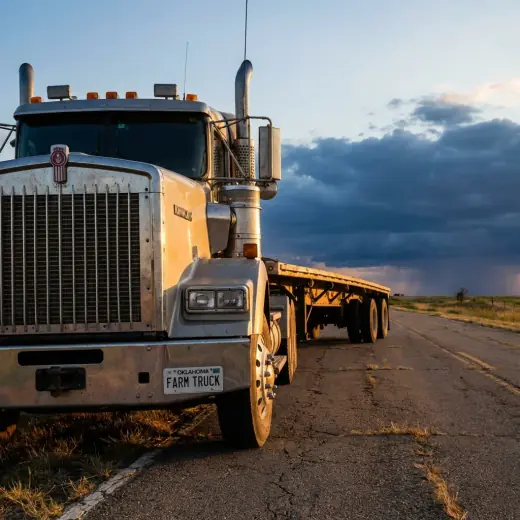
After a serious truck wreck, you may be dealing with treatment and missed work while an insurer asks for answers. Hicks Law Firm can review the crash with the information you have now. You do not need to identify every company involved or obtain the truck’s records before contacting us.
Is this a case for a lawyer?
If someone was badly hurt or killed, and a person, company, or agency may be at fault, it is worth having a lawyer look at it.
Case focus
US-69 Truck Crashes
A lawyer looks at what happened, what proof exists, and what the losses are.
Attorney review
Request Case Review
Use the case review form or call (405) 759-0515 for direct attorney intake.
When to ask a lawyer to review your case
It may be time to call a lawyer if someone was killed or badly hurt, if a company, trucking company, or government agency may be responsible, or if the other side disputes what happened. You don't need to know whether you have a case. Tell us what happened, and a lawyer will look at it.
Send the key facts for attorney review.
If this involves death, catastrophic injury, a commercial defendant, or evidence that may need preservation, jump to the case-review form or call the firm.
01
Keep the location as precise as you can
US-69 runs north-south through Tushka in Atoka County. If the wreck was near Boggy Depot Road, keep both road names and the direction each vehicle was traveling. A truck turning at a crossing raises different questions about sight lines and turning room from a rear-end collision in through traffic.
Elsewhere on US-69, keep the nearest town, crossing or business and the date. The exact scene helps identify witnesses, cameras and road records.
Photos, a saved map location and the information card from the officer can help. If those details disagree, keep each original and point out the difference. Do not return to traffic to take measurements or collect photographs.
02
The truck and trailer may name different companies
Keep photographs of the cab, trailer, license plates and identifying numbers if you already have them. A carrier name or USDOT number can help distinguish companies with similar names. FMCSA’s Company Snapshot is one place to check company identification, but a matching search result does not decide who caused the wreck.
A lawyer can compare the markings with the crash report and investigate who employed the driver, controlled the trip and maintained the equipment. Save insurer letters too; they may identify a company you did not see at the scene.
03
Ask about records beyond the police report
Start your report request with the agency named on your paperwork. Tell the firm if you do not know who investigated. You can ask for a review before the report arrives.
The carrier may hold driver logs, dispatch messages, engine data and video that are separate from the police file. Early attention can leave time to request that evidence before it is overwritten. Our truck investigation guide explains the records that may help.
04
Bring the effect on your life into the review
Keep medical bills, treatment information and records of time away from work as they arrive. Tell the firm about lasting limits or care your doctors expect you to need. The review should address both responsibility for the wreck and the losses it has caused.
You can start with a short contact message. Referring lawyers can use the attorney referral form.
More help after a truck crash
Read about truck-crash claims, learn about the firm, or tell us what happened.
Case Results
Read about past cases the firm has handled. Past results do not guarantee a similar outcome.
Review Case ResultsHicks Legal Journal
Read articles about injuries, insurance and protecting your rights after a crash.
Review Hicks Legal JournalClient Guides
Find explanations of truck-crash records, insurance questions and Oklahoma law.
Review Client GuidesResource Library
Find explanations of truck-crash records, insurance questions and Oklahoma law.
Review Resource LibraryPersonal Injury Overview
Read more about the legal help available after a serious crash.
Review Personal Injury Overview