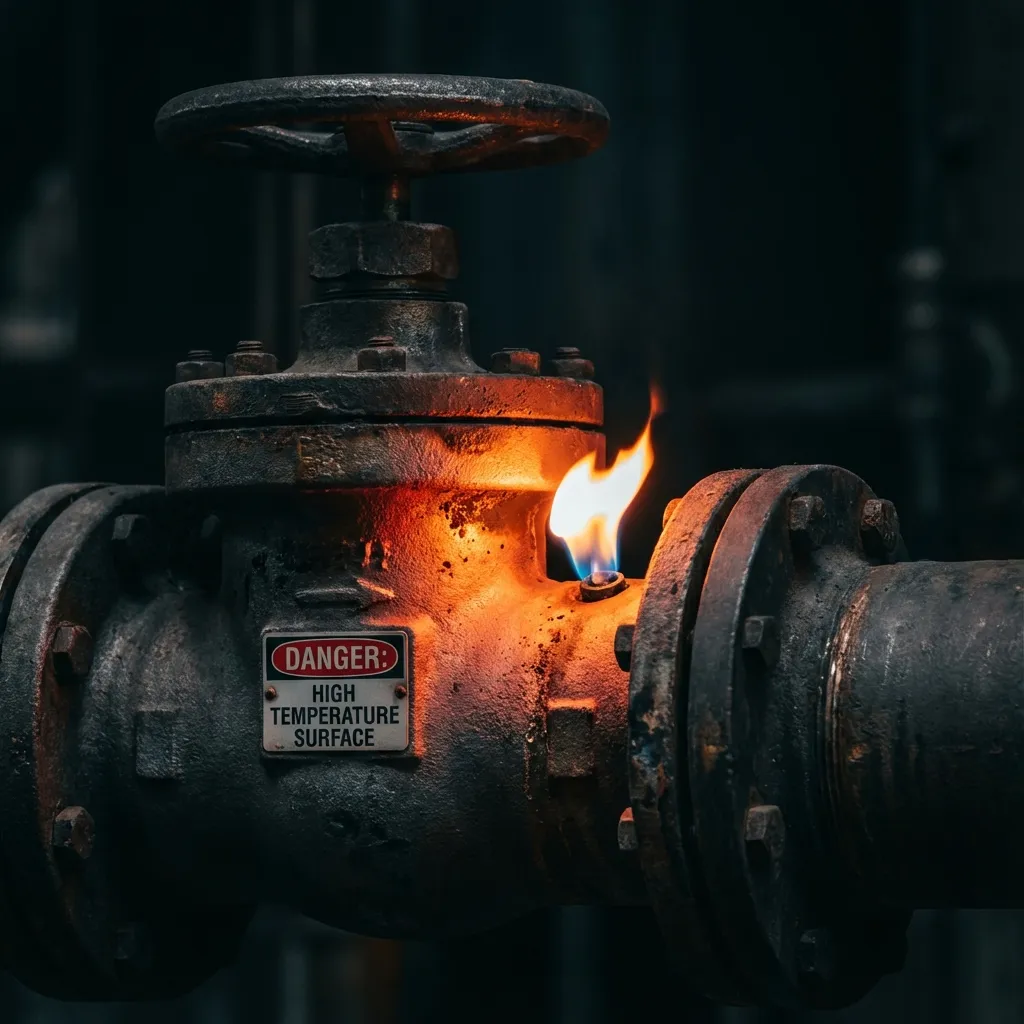
Burn injuries are unique. They carry the highest risk of infection, the most intense pain, and the longest road to recovery.
What to decide first
Confirm whether the harm, defendant, damages, and proof point toward a case that needs attorney review.
Case focus
Industrial & Oil Field Litigation
Fast attorney review, evidence control, and valuation planning for high-stakes cases.
Proof track
Evidence preservation
Witness chronology, records collection, and damages framing start early.
Attorney review
Request Case Review
Use the case review form or call (405) 759-0515 for direct attorney intake.
When severe burns needs attorney review
A high-value case is not just a big number. It often involves life-changing harm, disputed responsibility, meaningful damages, and records that need careful review. This practice area is strongest when the harm, disputed responsibility, damages, and available records support direct attorney review.
Send the key facts for attorney review.
If this involves death, catastrophic injury, a commercial defendant, or evidence that may need preservation, jump to the case-review form or call the firm.
01
The Reality of Burn Recovery
In Oklahoma, many burn injuries occur in the energy sector—pipeline ruptures, rig explosions, and chemical fires. These are not simple accidents; they are often the result of gross negligence.
We work with specialists at major burn centers to document:
- Debridement Procedures: The painful daily removal of dead tissue.
- Skin Grafting: Multiple surgeries taking skin from healthy areas to cover burns.
- Contracture Release: Surgeries to fix tightened skin that limits movement.
- Thermoregulation Issues: The permanent loss of the ability to sweat or regulate body heat.
02
Workers' Comp is Not Enough
If you were burned on the job, Workers' Compensation will pay for your medical bills, but it offers very little for your pain and disfigurement. We look for Third Party Liability:
- Maintenance and Inspection: Did a valve, hose, or safety system show warning signs before the burn?
- Subcontractors: Did another company on the site cause the spark?
- Property Owners and Site Control: Were unsafe conditions allowed to continue?
03
Types of Burn Injuries
- Thermal Burns: From fire, explosions, or hot surfaces
- Chemical Burns: From industrial chemicals, cleaning products, or acids
- Electrical Burns: From electrical accidents and arc flash
- Radiation Burns: From industrial or medical radiation exposure
04
Long-Term Medical Needs
Severe burn victims often require:
- Multiple skin graft surgeries
- Intensive care hospitalization
- Compression garments for years
- Reconstructive surgery
- Treatment for psychological trauma and PTSD
Evidence and Next Steps
Use these resources to move from general information to the records, proof, and case-review steps that fit the matter.
Request Case Review
Request a review if records, deadlines, or insurance contact may affect this severe burns matter.
Review Request Case ReviewCase Results
Compare documented outcomes that show how similar proof translated into value.
Review Case ResultsHicks Legal Journal
Use supporting analysis and client-facing reference material to understand the next evidence and timing issues.
Review Hicks Legal JournalClient Guides
Use supporting analysis and client-facing reference material to understand the next evidence and timing issues.
Review Client GuidesResource Library
Use supporting analysis and client-facing reference material to understand the next evidence and timing issues.
Review Resource LibraryAttorney Profile
Review trial counsel background and the firm posture behind this practice area.
Review Attorney ProfileTrust Center
Check the firm standards, review process, and proof posture before deciding.
Review Trust CenterPersonal Injury Overview
Open the next resource that best matches this severe burns case.
Review Personal Injury Overview