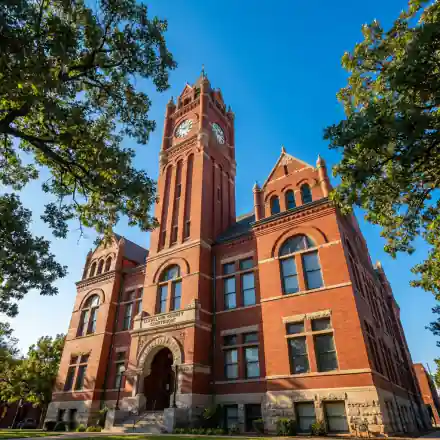
Oklahoma City is becoming more walkable and bike-friendly, but drivers haven't caught up. Pedestrians and cyclists have zero protection when struck by a 4,000-pound vehicle. The injuries are almost always catastrophic.
What to decide first
Confirm whether the harm, defendant, damages, and proof point toward a case that needs attorney review.
Case focus
Pedestrian & Cyclist Cases
When drivers refuse to share the road, the results are devastating.
Proof track
Evidence preservation
Witness chronology, records collection, and damages framing start early.
Attorney review
Request Case Review
Use the case review form or call (405) 759-0515 for direct attorney intake.
When pedestrian & bicycle accidents needs attorney review
A high-value case is not just a big number. It often involves life-changing harm, disputed responsibility, meaningful damages, and records that need careful review. This practice area is strongest when the harm, disputed responsibility, damages, and available records support direct attorney review.
Send the key facts for attorney review.
If this involves death, catastrophic injury, a commercial defendant, or evidence that may need preservation, jump to the case-review form or call the firm.
01
Vulnerable Road Users
Right of Way Laws in Oklahoma
Drivers must yield to pedestrians in crosswalks, but they often fail to look. Even if you were crossing outside a crosswalk ("jaywalking"), the driver still has a duty of care to avoid hitting you if possible.
Common Injuries
- Traumatic Brain Injuries (TBI)
- Spinal Cord Damage
- Broken Legs/Pelvis (Bumper fractures)
- Road Rash and Scarring
What if the Driver Fled?
Hit-and-run accidents are common involving pedestrians. If the driver is never found, we can often file a claim under your own Uninsured Motorist (UM) coverage—even if you were walking or biking at the time.
Evidence and Next Steps
Use these resources to move from general information to the records, proof, and case-review steps that fit the matter.
Request Case Review
Request a review if records, deadlines, or insurance contact may affect this pedestrian & bicycle accidents matter.
Review Request Case ReviewCase Results
Compare documented outcomes that show how similar proof translated into value.
Review Case ResultsHicks Legal Journal
Use supporting analysis and client-facing reference material to understand the next evidence and timing issues.
Review Hicks Legal JournalClient Guides
Use supporting analysis and client-facing reference material to understand the next evidence and timing issues.
Review Client GuidesResource Library
Use supporting analysis and client-facing reference material to understand the next evidence and timing issues.
Review Resource LibraryAttorney Profile
Review trial counsel background and the firm posture behind this practice area.
Review Attorney ProfileTrust Center
Check the firm standards, review process, and proof posture before deciding.
Review Trust CenterPersonal Injury Overview
Open the next resource that best matches this pedestrian & bicycle accidents case.
Review Personal Injury Overview