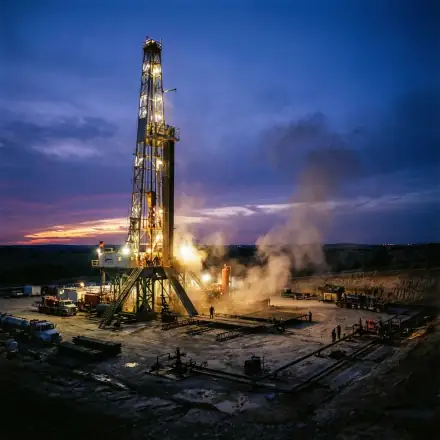
When an oil rig explodes or a pipeline bursts, the injuries are often life-altering: severe burns, amputations, or death. While Workers' Comp covers basic bills, it does not pay for pain and suffering or punitive damages.
What to decide first
Confirm whether the harm, defendant, damages, and proof point toward a case that needs attorney review.
Case focus
Oklahoma Energy Sector Litigation
The oil patch is the most dangerous workplace in America. When safety shortcuts lead to disasters, we hold the operators accountable.
Proof track
Evidence preservation
Witness chronology, records collection, and damages framing start early.
Attorney review
Request Case Review
Use the case review form or call (405) 759-0515 for direct attorney intake.
When oilfield accidents needs attorney review
A high-value case is not just a big number. It often involves life-changing harm, disputed responsibility, meaningful damages, and records that need careful review. This practice area is strongest when the harm, disputed responsibility, damages, and available records support direct attorney review.
Send the key facts for attorney review.
If this involves death, catastrophic injury, a commercial defendant, or evidence that may need preservation, jump to the case-review form or call the firm.
01
More Than Just Workers' Comp
If you are injured on a rig, your employer will tell you that Workers' Compensation is your only option. They are often wrong.
Most oil field sites involve dozens of different companies (contractors, equipment rentals, water haulers). If a third party caused your injury, you can file a civil lawsuit for full damages, including pain and suffering.
02
Common Oil Field Disasters
- Rig Explosions/Blowouts: Failure of blowout preventers (BOP) or improper pressure monitoring leading to catastrophic fires.
- Frac Sand Truck Crashes: Overloaded sand haulers destroying rural highways (like Hwy 281) and causing fatal collisions.
- Pipeline Failures: Corroded pipes or excavation errors causing gas leaks and explosions in residential areas.
- H2S Exposure: Hydrogen Sulfide gas leaks due to faulty detectors, causing permanent brain damage or death.
03
Who is Responsible?
We investigate the "Company Man" (the operator's representative) to see if they rushed the job, ignored safety protocols, or hired unqualified subcontractors.
04
Preserving the Site
Evidence disappears fast in the oil patch. Companies will bulldoze a site within days of an explosion. We have emergency response teams ready to fly drones and document the scene before the evidence is destroyed.
Evidence and Next Steps
Use these resources to move from general information to the records, proof, and case-review steps that fit the matter.
Request Case Review
Request a review if records, deadlines, or insurance contact may affect this oilfield accidents matter.
Review Request Case ReviewCase Results
Compare documented outcomes that show how similar proof translated into value.
Review Case ResultsHicks Legal Journal
Use supporting analysis and client-facing reference material to understand the next evidence and timing issues.
Review Hicks Legal JournalClient Guides
Use supporting analysis and client-facing reference material to understand the next evidence and timing issues.
Review Client GuidesResource Library
Use supporting analysis and client-facing reference material to understand the next evidence and timing issues.
Review Resource LibraryAttorney Profile
Review trial counsel background and the firm posture behind this practice area.
Review Attorney ProfileTrust Center
Check the firm standards, review process, and proof posture before deciding.
Review Trust CenterPersonal Injury Overview
Open the next resource that best matches this oilfield accidents case.
Review Personal Injury Overview