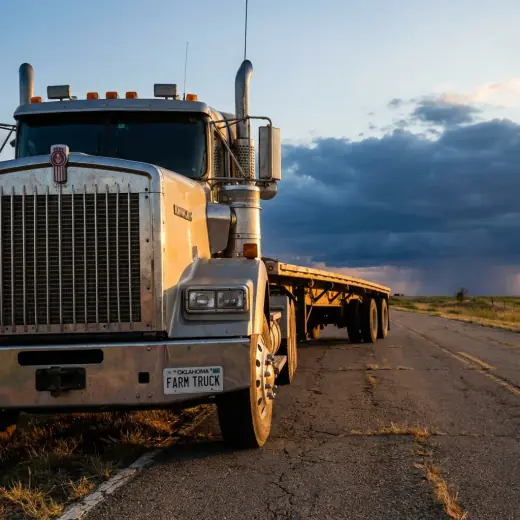
Commercial drivers are professional operators subject to Federal Motor Carrier Safety Regulations. Regulatory violations may support liability theories depending on the rule, causation, and facts.
What to decide first
Confirm whether the harm, defendant, damages, and proof point toward a case that needs attorney review.
Case focus
Commercial Vehicle Liability
Why a collision with a company vehicle is not "just a car accident."
Proof track
Evidence preservation
Witness chronology, records collection, and damages framing start early.
Attorney review
Request Case Review
Use the case review form or call (405) 759-0515 for direct attorney intake.
When commercial vehicle liability needs attorney review
A high-value case is not just a big number. It often involves life-changing harm, disputed responsibility, meaningful damages, and records that need careful review. This practice area is strongest when the harm, disputed responsibility, damages, and available records support direct attorney review.
Send the key facts for attorney review.
If this involves death, catastrophic injury, a commercial defendant, or evidence that may need preservation, jump to the case-review form or call the firm.
01
Federal Regulations (FMCSR)
Commercial drivers are professional operators subject to the Federal Motor Carrier Safety Regulations (FMCSR). Violations may support liability theories depending on the rule, causation, and facts.
FMCSR rules cover hours of service, drug testing, vehicle maintenance logs, and more. When a commercial driver causes a crash, we review the regulations and records that may explain how the collision happened.
02
Key Differences
- Insurance Limits: Commercial policies often start at $750,000 or $1,000,000, whereas personal policies can be as low as $25,000.
- Respondeat Superior: The employer is liable for acts of the employee committed while working.
- Negligent Hiring: We can sue the company if they hired a driver with a bad record or failed to train them.
03
Who Qualifies?
Any vehicle used for business purposes: 18-wheelers, UPS/FedEx vans, Uber/Lyft (during rides), construction trucks, and even sales fleet sedans.
Is It A Commercial Case?
Identify hidden insurance policies that standard accident lawyers miss.
Check Commercial Status04
Respondeat Superior
Under respondeat superior ("let the master answer"), employers are liable for accidents caused by employees acting within the scope of their employment. This applies to:
- Delivery drivers
- Service technicians
- Sales representatives
- Any employee driving for work purposes
05
Negligent Entrustment
Companies can be directly liable for negligent entrustment if they:
- Failed to check driver records before hiring
- Allowed an unlicensed driver to operate a vehicle
- Ignored known safety violations
- Failed to drug test after an accident
Evidence and Next Steps
Use these resources to move from general information to the records, proof, and case-review steps that fit the matter.
Request Case Review
Request a review if records, deadlines, or insurance contact may affect this commercial vehicle liability matter.
Review Request Case ReviewCase Results
Compare documented outcomes that show how similar proof translated into value.
Review Case ResultsHicks Legal Journal
Use supporting analysis and client-facing reference material to understand the next evidence and timing issues.
Review Hicks Legal JournalClient Guides
Use supporting analysis and client-facing reference material to understand the next evidence and timing issues.
Review Client GuidesResource Library
Use supporting analysis and client-facing reference material to understand the next evidence and timing issues.
Review Resource LibraryAttorney Profile
Review trial counsel background and the firm posture behind this practice area.
Review Attorney ProfileTrust Center
Check the firm standards, review process, and proof posture before deciding.
Review Trust CenterPersonal Injury Overview
Open the next resource that best matches this commercial vehicle liability case.
Review Personal Injury Overview